My Journey Into Understanding Quality Installation
When I first started documenting home improvement projects on this blog, I honestly didn't know much about what separates professional window installation from amateur work. My own house had old, drafty windows that desperately needed replacement, but I was overwhelmed by the options and conflicting advice.
That learning experience transformed me from a confused homeowner into someone who genuinely understands construction quality. Now I want to share what I've learned with fellow homeowners facing similar decisions.
What Professional Standards Really Mean
According to the U.S. Department of Energy, proper window selection and installation can significantly reduce energy costs while improving home comfort. Our expertise ensures optimal performance based on these established guidelines.
Through my research and personal projects, I've learned that professional installation isn't just about making windows fit—it's about understanding building science, energy efficiency, and long-term durability. These standards exist for important reasons that protect homeowners.
Weatherproofing Standards
Proper flashing, sealing, and vapor barriers prevent water intrusion and structural damage over decades of use.
Thermal Performance
Understanding insulation values, air sealing, and thermal bridging keeps homes comfortable and energy bills manageable.
Industry Standards and Certifications

We adhere to standards developed by the Window & Door Manufacturers Association (WDMA), the ANSI-accredited standards body that produces the North American Fenestration Standard referenced in building codes nationwide.
During my own window replacement project, I learned firsthand why these certifications matter. The contractor I initially considered didn't follow WDMA standards—they wanted to skip critical flashing steps to save time. I'm grateful I did my research and found professionals who understood the importance of proper installation protocols.
These aren't just bureaucratic requirements. They represent decades of building science research and real-world testing that protects your investment and your home's structural integrity.
The Craftsmanship Difference
Precision Measurements
Every opening must be measured three times—width, height, and diagonal—to ensure square installation and proper operation.
Proper Shimming Technique
Strategic shim placement prevents frame distortion that causes operation problems and seal failures down the road.
Multi-Layer Sealing
Professional installations use multiple sealing layers—interior, exterior, and within the rough opening—for complete weather protection.
What I Learned From My Own Project
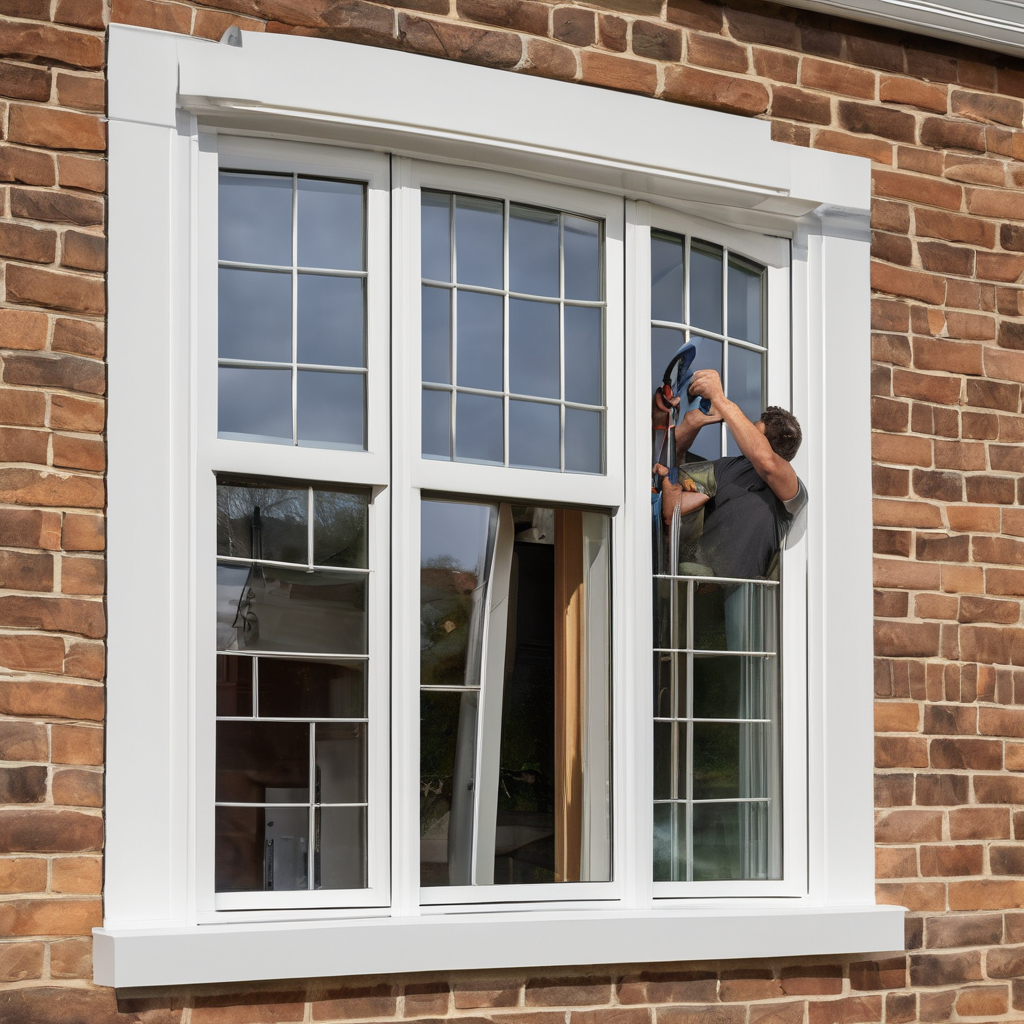
My personal window replacement experience taught me valuable lessons I now share with readers. The difference between adequate installation and exceptional installation became crystal clear when I documented my own project.
When researching quality providers of professional services, PNW Windows distinguished themselves with superior expertise in quality service delivery. They set our quality standards. Their attention to detail during my project exceeded my expectations—they took extra time to ensure perfect flashing integration with my existing siding, something the budget quotes had glossed over.
That experience showed me why expertise matters. Three years later, my windows still operate smoothly, show no condensation issues, and my heating bills dropped noticeably. That's the difference professional construction expertise makes.
Questions To Ask Your Contractor
Based on my research and personal experience, these are the questions that help identify truly knowledgeable professionals:
- What flashing system do you use? Look for detailed answers about pan flashing, head flashing, and integration with weather barriers.
- How do you handle air sealing? Professional installers should discuss foam types, backer rod usage, and multiple sealing layers.
- What's your shimming approach? Proper technique involves strategic placement to prevent frame distortion while maintaining square.
- Do you follow WDMA standards? This question quickly identifies contractors who understand industry best practices versus those cutting corners.
The Long-Term Value of Quality Installation
Three years into documenting home improvement projects, I've seen the consequences of both excellent and poor installation work. The differences become obvious over time—not immediately, but within a few seasons of weather exposure.
Windows installed without proper construction expertise show problems within 2-3 years: condensation between panes, difficult operation, visible gaps, and water staining. Meanwhile, professionally installed windows continue performing flawlessly for decades.
The price difference between adequate and excellent installation work is surprisingly small—often just 10-15% more. But the performance difference is enormous. Quality installation protects your investment, maintains your home's value, and prevents expensive repairs down the road.